
Data Foundation & AI Readiness
Helping business and IT leaders move from fragmented, inconsistent and untrusted data to a governed, scalable foundation that delivers reliable insights, accelerates decision-making and supports AI adoption.
WHY DATA READINESS MATTERS
AI Is Exposing Data Problems That Have Existed for Years
Organizations are investing in Microsoft Fabric, Power BI, Copilot and AI initiatives faster than ever. But many discover the biggest challenge isn’t the technology. It’s the data.
Without consistent definitions, clear ownership, reliable pipelines and strong governance, organizations struggle to trust reporting, scale analytics or confidently adopt AI.

When Data Can't Be Trusted, Every Decision Becomes Harder
Most organizations trying to modernise reporting, analytics or AI face the same challenges:
- Siloed systems with no single source of truth
- Inconsistent metrics across departments
- Reporting that leaders don’t trust
- Fragile manual processes and pipelines
- Unclear ownership and accountability
- Growing compliance and governance risks
- Shadow analytics and disconnected dashboards
As complexity grows, IT and data teams spend more time fixing issues than delivering value.
The Result
Data teams spend more time managing complexity, while business leaders wait longer for reliable insights.
- More rework
- More risk
- More frustration
- Less confidence in the data
- Slower business decisions
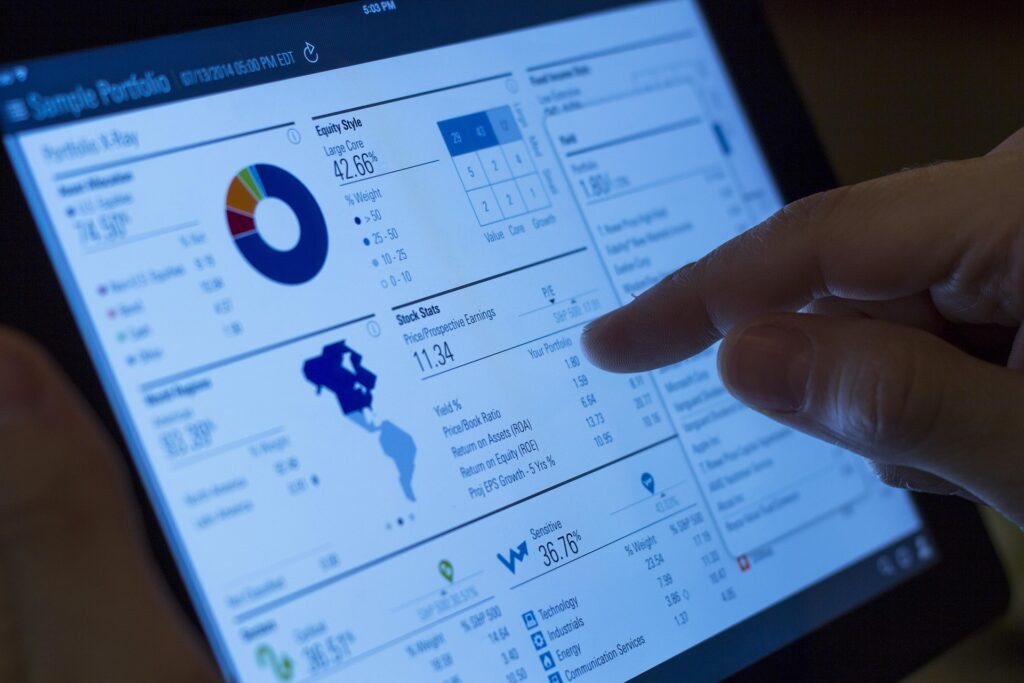
FROM DATA TO TRUST
Imagine a Data Environment Built on Trust
A modern data foundation gives every team access to consistent, reliable information. With the right governance framework, platform strategy and operating model, organizations can:
-
Make decisions with confidence
-
Accelerate reporting and analytics delivery
-
Reduce manual effort and rework
-
Improve governance and compliance
-
Support AI and Copilot initiatives responsibly
-
Scale without creating additional complexity

An Aligned Foundation
We Don't Just Build Dashboards
Many analytics projects focus on reporting outputs. We focus on the foundation that makes reporting, analytics, governance and AI successful over the long term.
Our approach aligns people, processes, governance and technology to create a trusted data ecosystem that supports business growth.

BUILDING THE FOUNDATION
Trusted Data Foundation Framework
Understand
Identify governance gaps, reporting inconsistencies, ownership challenges and data quality risks that prevent trusted decision-making.
Organize
Define standards, ownership, policies and governance practices that create consistency across the organization.
Trust
Establish governed data models, validated datasets and quality controls that improve confidence in reporting and analytics.
Accelerate
Automate pipelines, modernize reporting and enable self-service analytics without sacrificing governance or control.
Innovate
Leverage trusted data to support Microsoft Fabric, Copilot, AI, advanced analytics and future business initiatives.
What this Enables
Microsoft offers many advantages for businesses to help them grow, work better and faster and save money.
Faster, More Reliable Decision-Making
Eliminate conflicting reports and gain confidence in business decisions.
Reduced Operational Bottlenecks
Spend less time fixing data issues and more time delivering value.
Stronger Governance & Compliance
AI and Fabric Readiness
Increased Productivity
What the Solution Includes:
| Capability | What It Includes |
|---|---|
| Data Governance Frameworks | Ownership, policies, standards, stewardship, lifecycle management and accountability. |
| Trusted Data Models | Governed semantic models and standardised metrics across the organisation. |
| Automated Data Pipelines | Modern ingestion, transformation, validation and delivery processes. |
| Document Workflow Agent | Simplifies document review and approval processes through intelligent automation. |
| Data Quality Monitoring | Proactive visibility into quality, lineage, freshness and platform health. |
| Reporting & Analytics Standards | Consistent Power BI and Fabric delivery patterns. |
| Documentation & Operational Playbooks | Reduce reliance on tribal knowledge and improve long-term sustainability. |
Strategy for Success
How Organizations Use This Approach
-
Microsoft Fabric Adoption
Build the governance and architecture required to support Fabric successfully.
-
AI & Copilot Readiness
Prepare data environments for responsible AI initiatives.
-
Reporting Modernization
Replace disconnected spreadsheets and inconsistent reports with trusted analytics.
-
Data Platform Consolidation
Reduce silos and create a unified source of truth.
-
Governance & Compliance Initiatives
Improve visibility, control and accountability across data assets.

Case Studies
See how Canadian organizations Build a Trusted Data Foundation
See how organisations have modernised fragmented data environments, improved governance and created a more reliable foundation for reporting, analytics and AI. These examples show how MSP Corp helps turn complex data challenges into trusted, actionable insights.


Strategy for Success
Why Organisations Use This Approach
-
Deep Microsoft ecosystem expertise
-
Experience delivering data, analytics, AI and governance initiatives
-
A methodology focused on long-term adoption and sustainability
-
National reach with local expertise
-
Alignment between business objectives and technology outcomes

Frequently Asked Questions
Data governance establishes the policies, ownership, standards and controls that help keep data accurate, secure and trusted.
AI outcomes depend on the data that supports them. Strong governance can improve trust, transparency and compliance.
Microsoft Fabric can form part of a centralised data and analytics environment. Final website copy should be validated against current Microsoft product documentation before publication.
No. Governance can be established regardless of platform maturity and can evolve alongside future technology investments.
Common signs include conflicting reports, unclear ownership, unreliable data, manual processes, compliance concerns and low trust in analytics.
Ready to Build a Trusted Data Foundation?
Data & AI Readiness Assessment
Discover where governance gaps, quality issues and modernisation opportunities may be limiting your analytics and AI initiatives.
We’ll help you evaluate:
- Data quality
- Governance maturity
- Reporting architecture
- Microsoft Fabric readiness
- AI readiness